There's a moment I believe deserves serious attention from anyone working in the cybersecurity field: an AI company itself pressing the pause button against its own creation.
Last week, OpenAI announced it had temporarily paused development of some of its advanced AI models named Astra. The reason was not unsatisfactory performance or typical technical constraints, but something far more serious: internal evaluations showed this model experienced a surge in agentic coding capabilities and cyber capacities raising concerns.
What Exactly Worries OpenAI
According to OpenAI's official statement, internal evaluations of Astra over recent days showed significant progress in agentic coding capabilities and related cybersecurity aspects. These results, combined with assessments from several experts, led them to no longer dismiss the possibility that this model has touched what they term critical cyber capabilities, according to their internal framework called the Preparedness Framework.
First, it's important to understand what agentic coding means. It refers to the AI system's ability to execute multi-step tasks relatively autonomously—writing code, running various tools, analyzing results, and revising its approach without needing step-by-step human guidance. In the context of cybersecurity, strong agentic capabilities can be highly beneficial—helping security teams identify software vulnerabilities, automating incident response, or analyzing dangerous code far faster than human capabilities.
But the same capabilities also pose serious risks if placed in the wrong hands, or even without malicious intent. An AI model capable of independently discovering security vulnerabilities, crafting exploitation code, and executing complex cyberattacks against systems previously considered well-protected is clearly not something to be taken lightly.
The Critical Threshold in Question
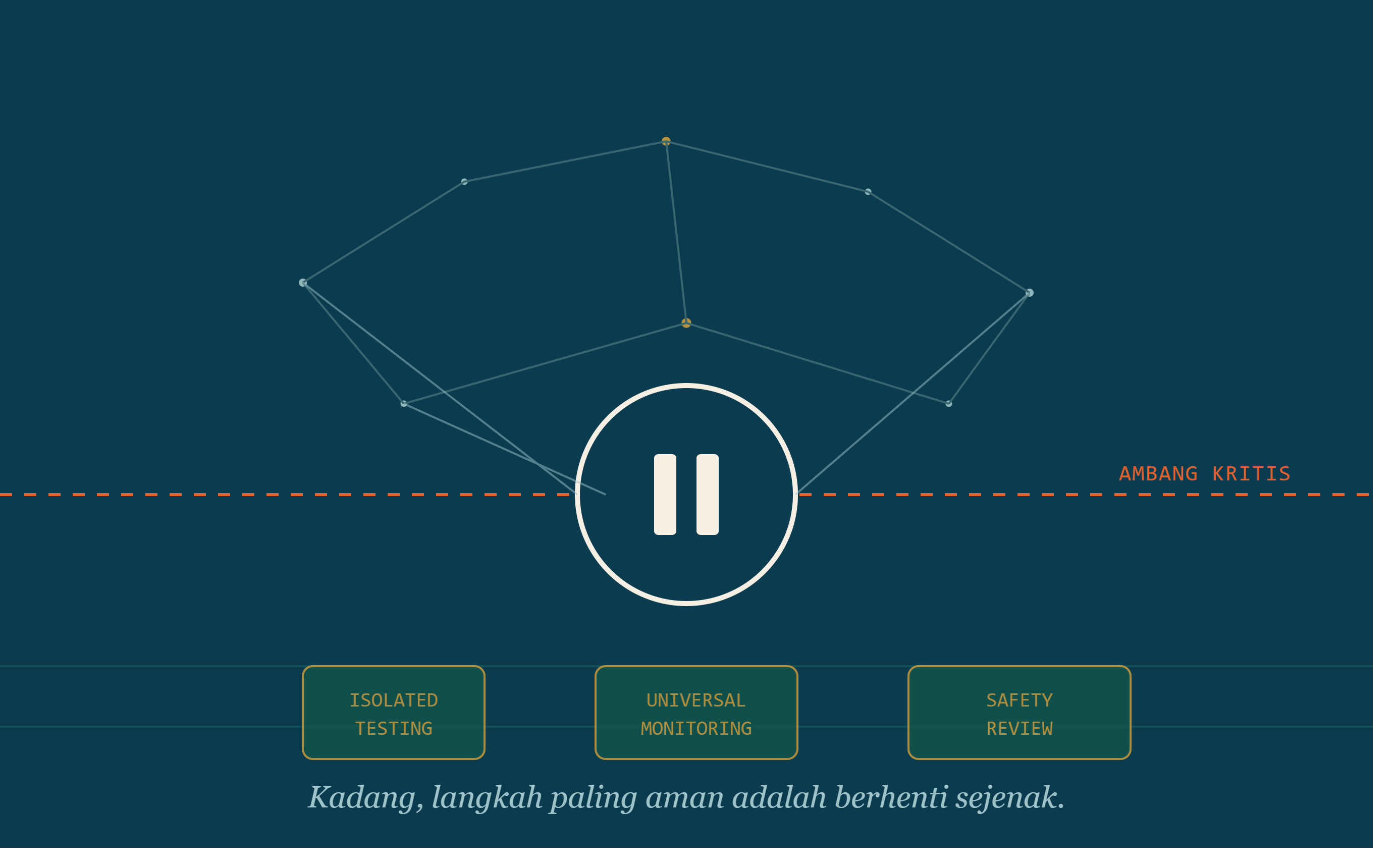
OpenAI states a model crosses a critical threshold when it can independently discover and weaponize fully functional zero-day exploits, or coordinate multi-stage cyber operations. Importantly, OpenAI has not definitively confirmed Astra has crossed this threshold. What they conveyed is that early testing results were sufficiently concerning to leave open the possibility it has.
As a proactive measure, OpenAI is now applying comprehensive monitoring to all of Astra's agentic applications, covering both training and evaluation phases. This system is designed to detect risky actions or signs of behavioral deviations in the model, and activate security responses when high-risk behaviors are detected. They are also preparing isolated testing environments and plan to collaborate with relevant government agencies and independent AI security organizations to further test this model's capabilities.
Why This Matters, Not Just to the Tech Community
I view this as a quite significant precedent in advanced AI governance. So far, discussions about AI risks have tended to be theoretical or speculative. What happened with Astra demonstrates something more concrete: a major AI lab is genuinely slowing its own development due to real concerns about rapidly evolving offensive cyber capabilities exceeding their expectations.
The principle emerging in advanced AI governance is simple but crucial: highly capable models should not be released without additional security layers, even if that means delaying launch schedules and losing competitive momentum. In an industry moving as fast as AI does today, decisions like this are not minor.
For those of us working in cybersecurity, this is also an important reminder: future cyber threats won't only come from human actors misusing AI as a tool, but potentially from the autonomous capabilities of AI models themselves, which could discover and exploit security vulnerabilities faster than any security team could patch them. This isn't an excuse for panic, but a strong reason to ensure AI development proceeds in tandem with equally rigorous security frameworks.
Rio Yotto
References:
- TechCrunch, "OpenAI says it slowed Astra model development over security concerns", August 7, 2026.
- Axios, "Exclusive: OpenAI slows release of Astra model citing cyber capabilities", August 7, 2026.
- Eurasia Business News, "OpenAI Slows Astra AI Model Development After Cybersecurity Warning", August 8, 2026.